


SHACMAN X3000 & X5000E Localized Transportation Solution in Ethiopia
Combined with Ethiopia's highland road conditions, new energy policies and logistics pain points, SHACMAN integrates the X3000 fuel-powered vehicles and X5000E electric vehicles to provide a locally adapted, simple and feasible integrated transportation solution, covering core scenarios, reducing costs and improving efficiency.
I. Core Local Pain Points
- Road Conditions: Most roads are dirt roads in highland terrain, requiring vehicles to be highly resistant to bumps and heavy loads; cross-border corridors are congested, resulting in low efficiency.
- Policies: Promoting new energy transformation, encouraging locally value-added electric vehicles, planning the construction of charging stations, and having strong demand for infrastructure construction.
- Demand: Weak cold chain for agricultural products with high loss rate; large gap in heavy-duty infrastructure transportation; cross-border transportation relies on the Port of Djibouti, requiring long-range vehicles.
- Costs: High fuel import costs, high logistics costs, high empty running rate, and urgent demand for cost reduction among enterprises.
II. Core Vehicle Adaptation (Tailored to Local Working Conditions)
1. SHACMAN X3000 (Fuel-Powered Heavy-Duty Type)
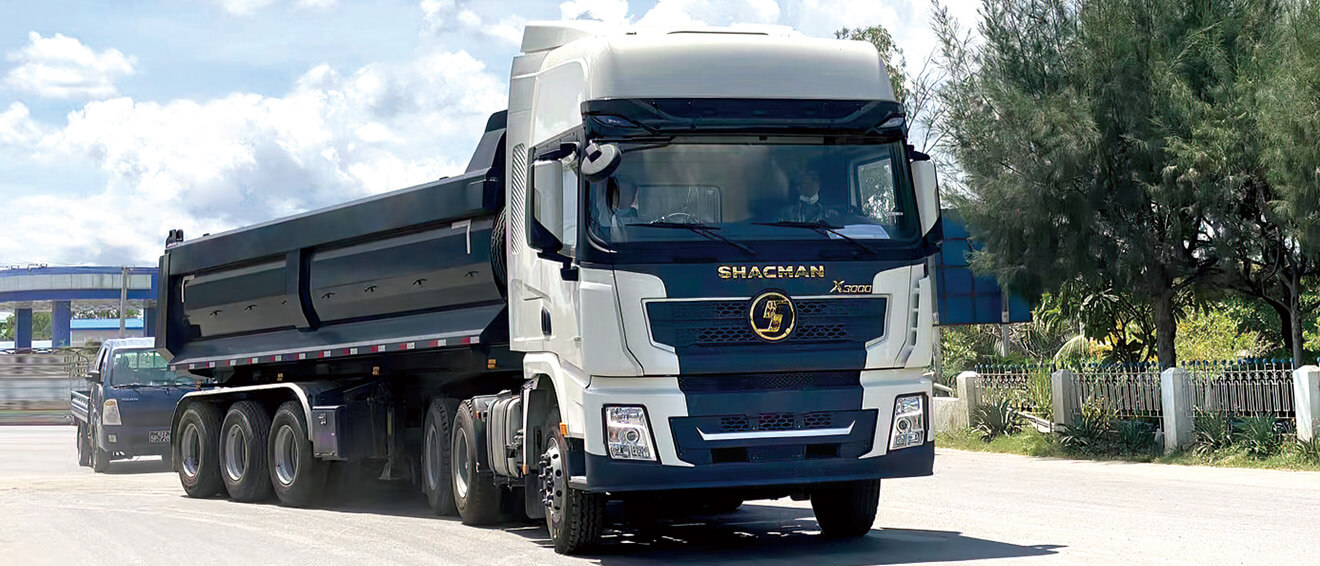
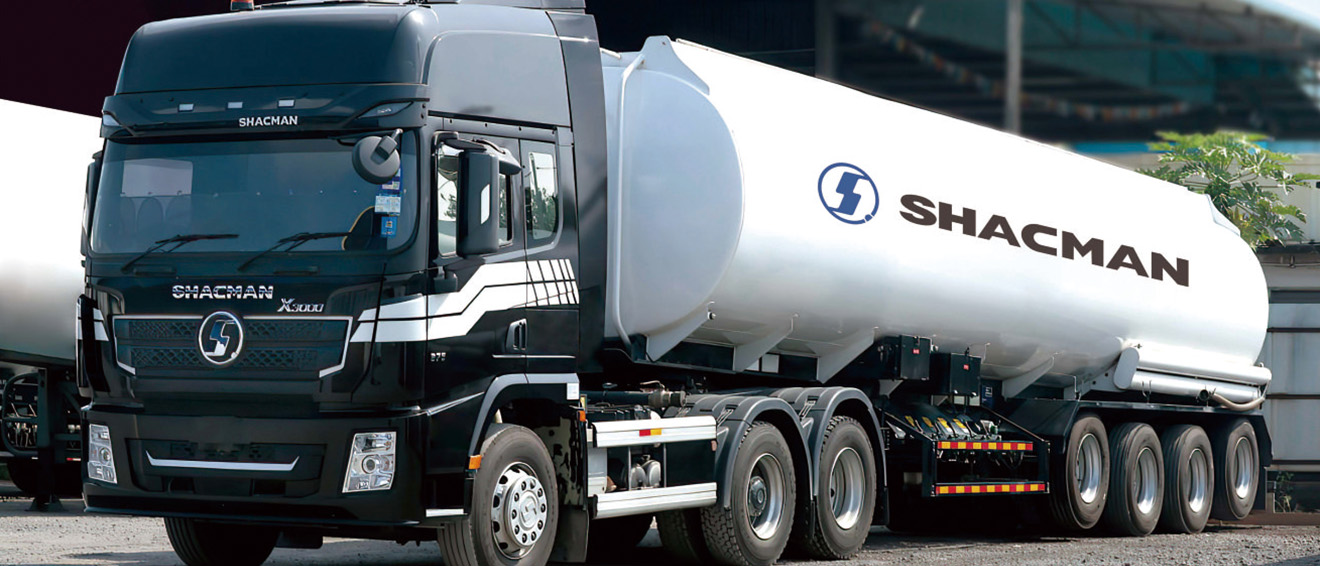
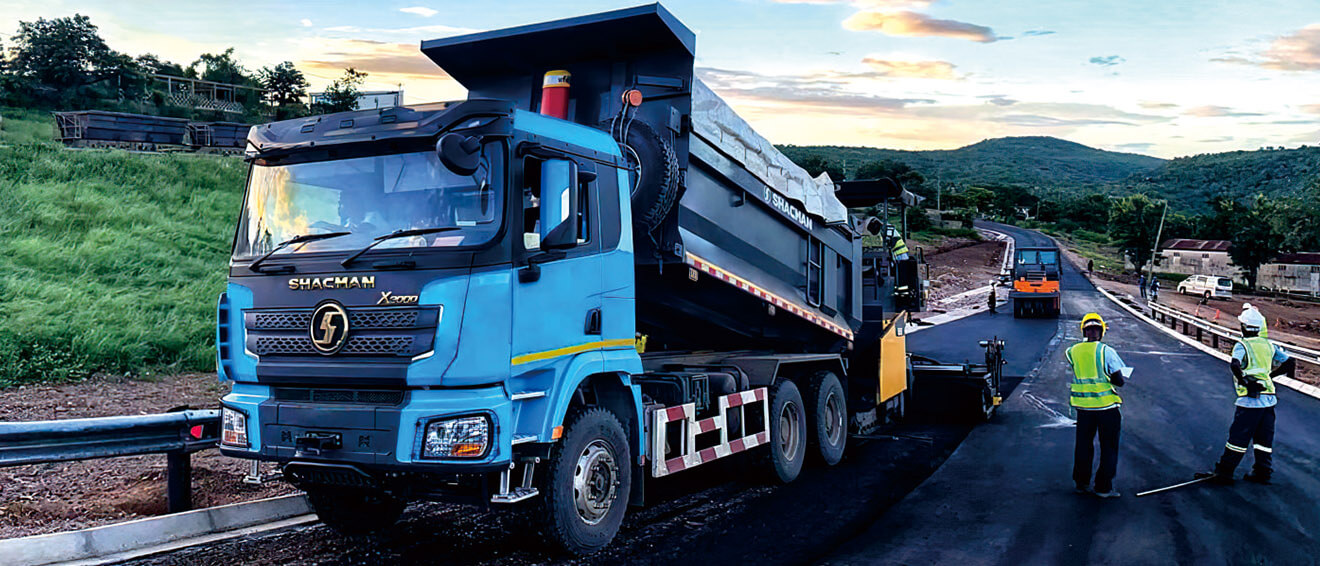
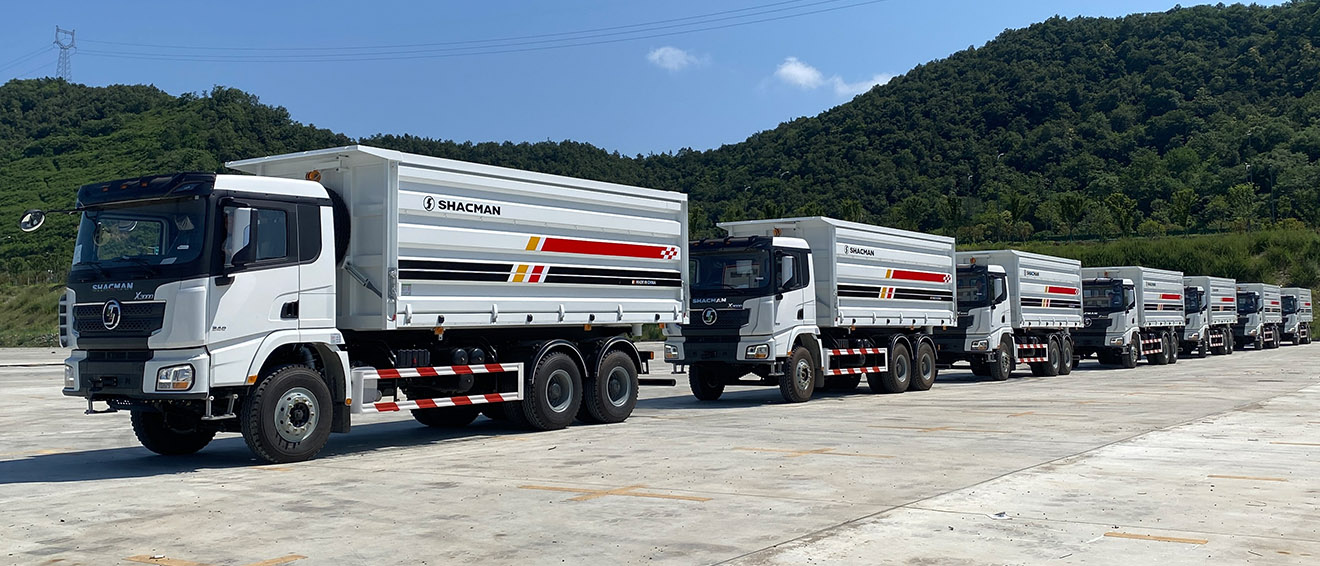
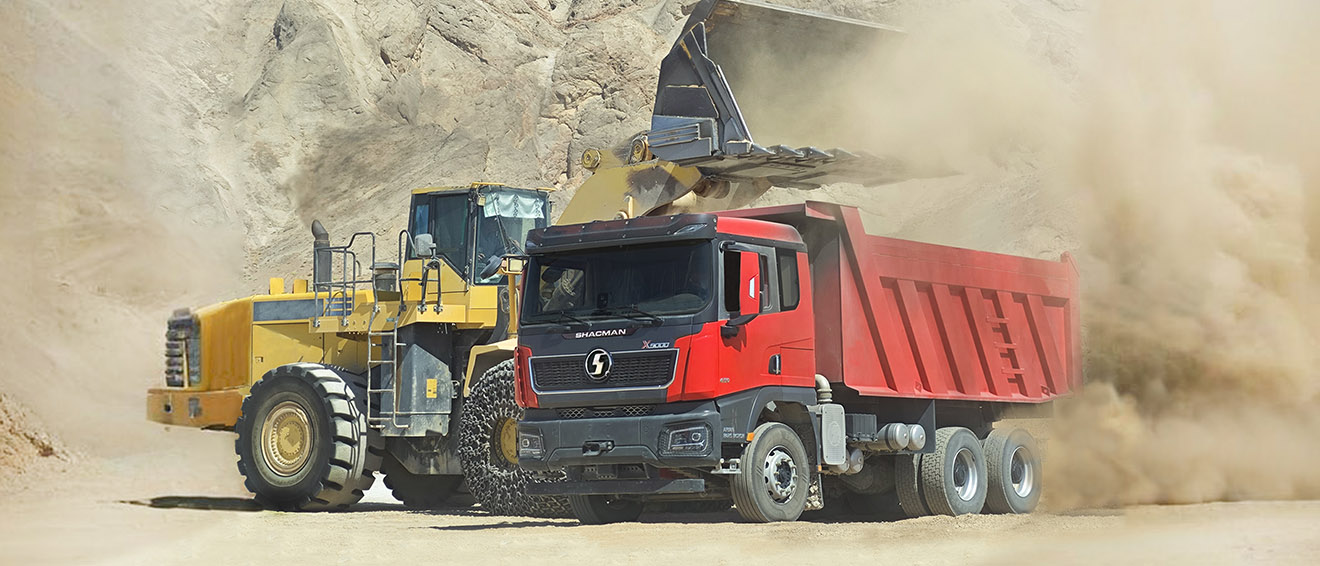
It is suitable for heavy-duty infrastructure and cross-border trunk lines. The highland-calibrated engine avoids power attenuation, the reinforced chassis is adapted to dirt roads, and the dual fuel tanks meet cross-border cruising needs. Its fuel-saving design reduces costs, making it the mainstay for infrastructure and cross-border transportation.
2. SHACMAN X5000E (Electric Type)
It is in line with new energy policies, enjoying preferential treatments such as zero tariffs, and is suitable for urban distribution, cold chain and port short-haul transportation. With a cruising range of over 450km and convenient fast charging, its operation cost is 30% lower than that of fuel-powered vehicles, which can reduce agricultural product losses.
III. Localized Support (Simple and Easy to Implement)
- Local Assembly: Shortens the delivery cycle, reduces costs, and calibrates vehicles to adapt to the local climate.
- Service Outlets: Cover core cities and logistics nodes, with sufficient spare parts and 24-hour maintenance support.
- Supporting Services: Connect with local charging networks, provide financial installment plans and talent training, reducing the threshold for vehicle purchase and operation.
IV. Solution Value
The two models cover all scenarios, adapt to local policies and road conditions, solve the pain points of low efficiency, high cost and high loss, help upgrade local infrastructure, agricultural product exports and the logistics industry, and are simple to implement with high cost performance.
